
1. Common Signs Your Refrigerator Is Not Cooling Properly
When a refrigerator is not cooling properly, the signs are usually easy to notice. Food may spoil faster than normal, drinks may not feel cold, or ice cream may become soft in the freezer. You might also notice uneven cooling, where the freezer feels cold but the fridge section stays warm. In some cases, the refrigerator may run constantly without reaching the desired temperature. These symptoms often indicate an issue with airflow, temperature control, or a failing component.
2. Why Proper Refrigerator Cooling Is Important
Proper cooling keeps food fresh, prevents bacteria growth, and reduces energy consumption. When a refrigerator cannot maintain the correct temperature, it works harder than necessary, leading to higher electricity bills and faster wear on internal parts. Poor cooling can also cause moisture buildup, bad odors, and long-term damage to components such as the compressor and fans. Fixing cooling problems early helps extend the life of your refrigerator and protects your food.
3. Dirty Condenser Coils Can Reduce Cooling Performance
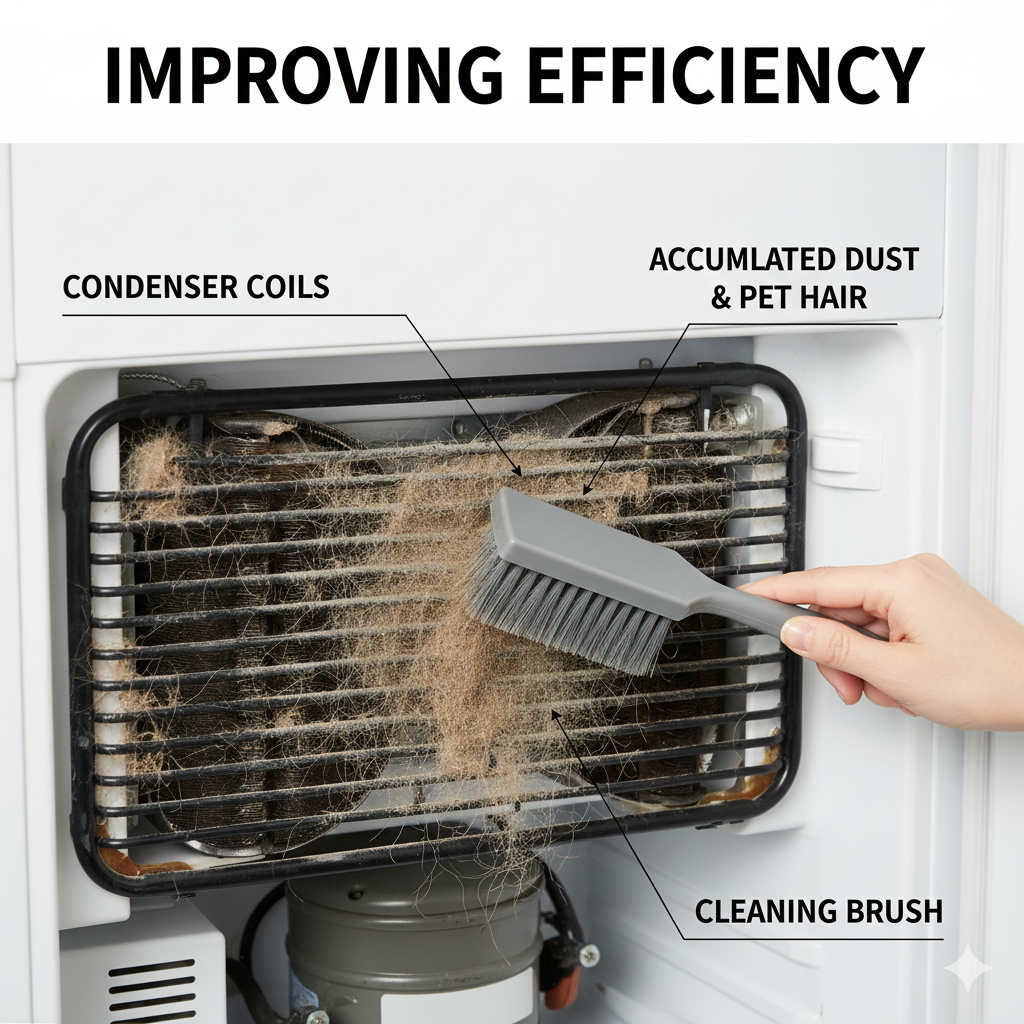 Condenser coils release heat from the refrigerator, allowing it to cool efficiently. When these coils become covered with dust, pet hair, or grease, heat cannot escape properly. As a result, the refrigerator struggles to cool and may feel warm inside. Dirty condenser coils are one of the most common and easiest causes of cooling problems. Cleaning them regularly can quickly restore cooling performance and improve energy efficiency.
4. A Faulty Evaporator Fan May Be Blocking Cold Air Flow
The evaporator fan is responsible for circulating cold air from the freezer into the refrigerator compartment. If this fan stops working or becomes weak, cold air cannot move properly, causing the fridge section to warm up while the freezer remains cold. A faulty evaporator fan may also produce unusual noises or stop running entirely. Replacing a damaged fan motor can often solve uneven or poor cooling issues.
5. Problems with the Refrigerator Compressor
The compressor is the heart of the refrigerator cooling system. It pumps refrigerant through the system, allowing heat to be removed from inside the fridge. If the compressor is failing, the refrigerator may not cool at all or may cool inconsistently. Common signs of compressor problems include clicking noises, overheating, or the refrigerator not starting. Compressor issues are more serious, but in many cases, replacing related parts like relays or capacitors can restore proper operation.
6. Defective Thermostat or Temperature Sensor Issues
The thermostat or temperature sensor tells your refrigerator when to turn cooling on and off. If it is faulty, the fridge may not cool enough or may stop cooling completely. You might notice the refrigerator running too long, not running at all, or failing to maintain a steady temperature. A defective thermostat or sensor can confuse the system, even if other parts are working properly. Replacing these components is often a simple and effective fix.
7. Worn or Damaged Door Seals Let Cold Air Escape
Door seals, also known as gaskets, keep cold air inside the refrigerator. Over time, these seals can crack, loosen, or lose their grip. When this happens, cold air escapes and warm air enters, forcing the refrigerator to work harder. This can lead to poor cooling, higher energy bills, and moisture buildup inside the fridge. Replacing worn door seals is a low-cost repair that can significantly improve cooling performance.
8. Frost Buildup Inside the Freezer Affecting Cooling
Excessive frost inside the freezer can block airflow and prevent cold air from reaching the refrigerator compartment. This is often caused by a faulty defrost system, including the defrost heater, defrost thermostat, or control board. When frost builds up, cooling becomes uneven and inefficient. Addressing frost issues early helps restore proper airflow and prevents further damage to internal components.
9. Low Refrigerant or Sealed System Problems
Refrigerant is the substance that absorbs heat and keeps your refrigerator cold. If refrigerant levels are low or there is a sealed system leak, the refrigerator will struggle to cool properly. Signs include warm temperatures, constant running, or no cooling at all. Sealed system problems are less common but more serious and usually require professional repair. However, identifying the issue early can prevent complete system failure.
10. Electrical or Control Board Malfunctions
Modern refrigerators rely on electronic control boards to manage cooling cycles, fans, and sensors. If the control board fails, it may send incorrect signals or stop sending signals altogether. This can cause cooling issues, random shutdowns, or unresponsive controls. Electrical problems can be difficult to diagnose, but replacing a faulty control board often restores normal refrigerator operation.
11. Simple Checks You Can Do Before Replacing Parts
Before replacing any refrigerator parts, it’s important to perform a few basic checks. Make sure the temperature settings are correct and the refrigerator is not overloaded. Check if air vents inside the fridge are blocked by food items. Confirm that the power supply is stable and the plug is secure. These simple steps can sometimes resolve cooling issues without needing replacement parts.
12. When to Replace Refrigerator Parts Instead of Buying a New Fridge
Replacing refrigerator parts is often more cost-effective than buying a new appliance. If the refrigerator is less than 10 years old and the issue is limited to components like fans, thermostats, door seals, or control boards, repairs usually make financial sense. Replacing parts can restore full cooling performance while extending the appliance’s lifespan by several years.
13. How to Find the Right Replacement Parts for Your Refrigerator Model
To find the correct replacement parts, always start with your refrigerator’s model number. This information is usually located inside the fridge or on the back panel. Using the correct model ensures compatibility and proper performance. Choosing high-quality replacement parts helps prevent repeat failures and keeps your refrigerator running efficiently.
14. Preventive Maintenance Tips to Keep Your Fridge Cooling Properly
Regular maintenance can prevent most cooling problems. Clean condenser coils every few months, inspect door seals for damage, and avoid overloading the refrigerator. Keep the fridge level to ensure doors close properly. Periodic maintenance reduces strain on internal components and helps maintain consistent cooling performance throughout the year.
15. Final Thoughts: Fixing Cooling Issues the Smart Way
A refrigerator that is not cooling properly does not always mean it needs to be replaced. In many cases, the problem can be traced to a specific part that can be repaired or replaced. Identifying the issue early, using the right replacement parts, and performing regular maintenance can save money and extend the life of your appliance.
❓ People Also Ask
Why is my refrigerator running but not cooling?
This usually happens due to poor airflow, dirty condenser coils, a faulty evaporator fan, or thermostat issues.
Can a refrigerator cool poorly because of a bad door seal?
Yes. A damaged door seal allows cold air to escape, forcing the fridge to work harder and cool less effectively.
Is it worth repairing a refrigerator that is not cooling?
In most cases, yes—especially if the refrigerator is under 10 years old and the issue involves replaceable parts.
How long should a refrigerator last with proper maintenance?
With proper maintenance and timely part replacement, most refrigerators can last 12–15 years or more.
What is the most common cause of refrigerator cooling failure?
Dirty condenser coils and faulty fans are among the most common causes of cooling problems.
Replacement Parts for Your Refrigerator
If your fridge is not cooling properly, replacing the right part can often solve the problem. Here are some essential replacement parts available at Parts of Canada:
Condenser Coil – Keep your fridge cool by replacing dirty or damaged coils. View Product
Evaporator Fan Motor – Restore proper airflow inside your fridge with a new fan motor. View Product
Compressor – Fix cooling issues caused by a failing compressor. View Product
Door Seal / Gasket – Prevent cold air from escaping by installing a new door gasket. View Product
Thermostat / Temperature Sensor – Ensure accurate temperature control with a replacement sensor. View Product
Defrost Heater Kit – Solve frost buildup problems in the freezer with a new defrost heater. View Product